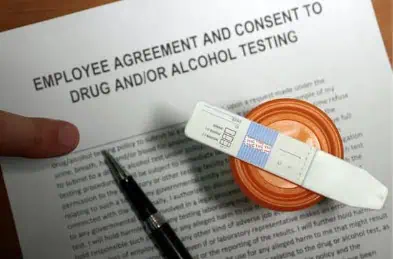
How DOT Random Testing Works? Each year, the U.S. Department of Transportation (DOT) reviews Management Information System (MIS) data submitted by regulated employers across all DOT modes. This annual review determines whether DOT random drug and alcohol testing rates should remain the same or be adjusted to support the DOT’s core safety mission—protecting the traveling public, by saving lives and prevents injuries
DOT agencies included in this review are:
- Federal Motor Carrier Safety Administration (FMCSA)
- Federal Aviation Administration (FAA)
- Federal Railroad Administration (FRA)
- Federal Transit Administration (FTA)
- Pipeline and Hazardous Materials Safety Administration (PHMSA)
- United States Coast Guard (USCG), now part of the Department of Homeland Security (DHS)
What Changed for 2026 DOT Random Testing Rates?
For 2026, most DOT random drug and alcohol testing rates remain unchanged. However, there is one notable update under the Federal Railroad Administration (FRA):
- FRA Mechanical Safety-Sensitive Positions
- Random alcohol testing rate decreased from 25% in 2025 to 10% in 2026
All other FRA categories remain the same.
Why DOT Random Testing Matters
DOT random testing programs are designed to ensure that safety-sensitive employees are not performing regulated duties while impaired. DOT regulations strictly prohibit or restrict—the use of certain substances for employees performing safety-sensitive functions.
The DOT drug and alcohol testing panel includes:
- Alcohol
- Marijuana (THC)
- Cocaine
- Opioids
- Amphetamines
- Phencyclidine (PCP)
These requirements are essential to maintaining compliance and supporting a drug-free workplace across regulated industries.
How DOT Random Testing Programs Work
Employers must implement a scientifically valid random selection process1, ensuring:
- Every covered employee has an equal chance of selection
- Selections are made at least quarterly
- Employees proceed to testing immediately upon notification
Additional employer responsibilities include:
- Keeping random testing pools current and accurate
- Ensuring non-DOT employees are excluded from DOT random pools
- Maintaining records in accordance with DOT regulations
Failure to follow these requirements can result in compliance violations and enforcement action1.
The following chart outlines the annual minimum drug and alcohol random testing rates established within DOT Agencies for 2026.
| DOT Agency | 2026 Random Drug Testing Rate | 2026 Random Alcohol Testing Rates |
| FMCSA | 50% | 10% |
| FAA | 25% | 10% |
| FRA | 25% Covered Service & MOW 50% Mechanical | 10% Covered Service & MOW 10% Mechanical* |
| FTA | 50% | 10% |
| PHMSA | 50% | N/A |
*FRA Mechanical position Random Alcohol Testing Rate lowered from 25% (2025) to 10% in 2026 for alcohol random testing.
NOTE: Employers (and C/TPAs) subject to more than one DOT Agency drug and alcohol testing rule may continue to combine covered employees into a single random selection pool.
USCG covered employees may be combined with DOT covered employees in drug testing pools even though the USCG is now part of the Department of Homeland Security.2
What Happens After a Positive DOT Random Test?
If a DOT employee receives a positive drug or alcohol test result, the employer must:
- Immediately remove the employee from safety-sensitive duties
- Provide the employee with a list of DOT-qualified Substance Abuse Professionals (SAPs)
- Ensure the employee follows the DOT Return to Duty Process
At that point, the employee (or former employee) may begin a DOT SAP program to regain eligibility for safety-sensitive work. Employer policies will determine whether the organization supports a recovery-friendly workplace or separation from employment.
DOT SAP Services – Nationwide Support
If you are an employer or DOT-covered employee in Texas, California, Florida, Georgia, or any of the 50 states or U.S. territories, ASAP is here to help.
We provide:
- DOT-qualified SAP List compliance
- Return-to-Duty process
- Nationwide coverage for employers and employees
Call ASAP today: 410-366-3899 ext. 177
Stay compliant. Get back to work. Start your DOT Return-to-Duty program today.
References:
1 U.S. Department of Transportation, Federal Motor Carrier Safety Administration & Office of Drug and Alcohol Policy and Compliance. (2014, January 9). Best practices for DOT random drug and alcohol testing (508CLN). https://www.fmcsa.dot.gov/sites/fmcsa.dot.gov/files/docs/Best_Practices_for_DOT_Random_Drug_and_Alcohol_Testing_508CLN.pdf
2 U.S. Department of Transportation, Office of Drug and Alcohol Policy and Compliance. (2026, January 15). Random testing rates. U.S. Department of Transportation. https://www.transportation.gov/odapc/random-testing-rates
SHARE:
ASAP has a nationwide reach in all 50 states and U.S. territories. Our trained and knowledgeable team will assist you in understanding the process and signing up. It’s fast and easy to enroll with ASAP! 888.792.2727 x607